
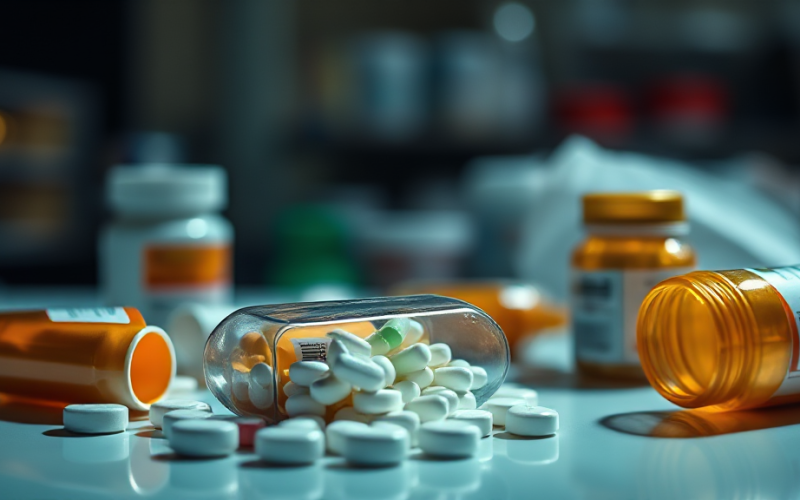
Getting Paid for Sealed Medicines: Payout Flow and Price Factors
You have a shelf of sealed medicine boxes that are no longer needed. You have heard that a buyback service can take them off your hands, and you have even received a preliminary quote. Then comes the practical question almost every seller asks first: once a price is agreed, how does the money actually reach me? The answer is less mysterious than it sounds, but it does depend on a few details that are worth understanding before you hand anything over. This article walks through the payout flow step by step, looks at what changes the final figure, and explains what to confirm in advance so there are no surprises. Whether you are an individual with a few surplus packs or a pharmacy with a larger stock, the same logic applies, and services such as продатьлекарствафонд are built around exactly this process.
How the Payout Flow Works from Quote to Cash
Most buyback arrangements follow a similar sequence, even when the exact wording differs from one operator to another. Understanding this sequence helps you see where your money is at each stage and what still needs to happen before it arrives.
Step one: the preliminary estimate. You photograph the sealed packs, making sure the name, dosage, batch number, and expiry date are readable. The service reviews the photos and returns an indicative figure. This is not a final offer; it is a signal of whether the items are worth pursuing. It exists so that neither side wastes time on a shipment that will not qualify.
Step two: confirmation of eligibility. The operator checks that the packaging is unopened, that the medicine is within its usable period, and that the product type is one the service accepts. Some categories are routinely excluded for legal or safety reasons, and no payout will be agreed for them regardless of condition.
Step three: physical verification. Once the items arrive, they are inspected in person. The preliminary estimate is compared against what was actually delivered. If everything matches the photos and the description, the agreed range holds. If something differs, the figure is adjusted and you are told why before anything is finalized.
Step four: the final offer and your acceptance. You receive a firm number. Nothing is binding until you accept it. If you decline, the items are returned according to the operator’s stated procedure. If you accept, the payout is scheduled.
Step five: payment. This is the stage sellers care about most. The money is transferred using the method agreed during the initial conversation, typically a bank transfer or a comparable electronic payment. The exact timing depends on the operator’s internal processing and on how quickly the verification stage was completed.
The important thing to notice is that payment sits at the end of a chain, not at the beginning. Each earlier step exists to protect both sides, and each one can shift the final amount slightly. That is why the number you see in a photo-based estimate should be treated as a starting point, not a promise.
What Determines the Final Amount You Receive
Sellers often assume the payout is simply a percentage of the pharmacy price. In practice, several factors combine to produce the figure, and understanding them lets you predict your payout more accurately and avoid disappointment.
Product identity and demand. Some medicines are widely sought and hold value well; others are niche or slow-moving. A buyback service has to be able to redistribute what it acquires, so demand for the specific product directly influences what it can offer.
Expiry date and remaining shelf life. This is one of the strongest levers on price. A pack with a long remaining shelf life is far more useful than one expiring in a few weeks. If your items are close to their date, expect a lower figure or, in some cases, a polite refusal.
Packaging condition. Sealed means sealed. Dented boxes, torn foil, faded printing, or any sign of tampering reduces value sharply. Even a single compromised unit in a batch can affect the offer for the whole lot, because the operator cannot redistribute items it cannot verify.
Quantity and consistency. A single box is handled the same way as a hundred, so the administrative cost per unit is higher for small lots. Larger, consistent batches tend to attract better per-unit pricing because they are easier to process and easier to move onward.
Storage history. Medicines that have been kept in a cool, dry place and away from direct sunlight are more attractive than those stored in a hot car or a damp cupboard. You will not usually be asked for a storage log, but visible signs of poor storage show up during inspection.
Documentation and traceability. Where receipts, invoices, or batch documentation are available, verification is faster and smoother, which can work in your favor. Missing paperwork does not automatically disqualify a lot, but it can slow the process and occasionally narrow the accepted range.
None of these factors act in isolation. A long-dated, well-stored, high-demand product in perfect packaging will command the strongest offer. A short-dated, slightly damaged item in a category with weak demand will command the weakest, or none at all. Reading your own stock against this list before you send photos will give you a realistic sense of where your payout will land.
Timing: When the Money Actually Arrives
The honest answer is that timing varies, and anyone who promises an instant payout before inspection should be treated with caution. What you can reasonably expect is a sequence of intervals rather than a single date.
The first interval is between sending your photos and receiving the preliminary estimate. This is usually quick, often within a working day, because it is a screening step rather than a commitment.
The second interval covers shipping and physical verification. This is the longest stage and depends on how far the items travel and how busy the operator is. During this period, no money is due, because no final price exists yet.
The third interval is between your acceptance of the final offer and the actual transfer. This is the part sellers ask about most, and it is typically the shortest. Once you have accepted, the payment is queued and processed according to the operator’s schedule. Bank transfers may take additional time to clear depending on the receiving bank and the day of the week.
A few practical habits keep this timeline tight. Respond promptly when you are asked to confirm details. Provide accurate contact information so you can be reached the moment the offer is ready. Choose a payment method you can actually receive and monitor. And keep a record of the agreed terms so you can refer back to them if anything is unclear.
If you are working with a larger consignment, it is reasonable to ask whether payment is made in one transfer or split across stages. Getting that clarified early prevents confusion later, when the money is in transit and questions are harder to resolve.
What to Confirm Before You Commit
Most disputes in buyback transactions come from assumptions that were never checked. A short conversation up front eliminates nearly all of them. Before you agree to anything, confirm the following points in writing, even if only in a messaging thread.
Ask what the preliminary estimate is based on and what could cause it to change. Ask which payment methods are available and which one applies to your situation. Ask who covers the cost of shipping and what happens if the items are rejected. Ask how long the final offer remains valid, and what the return procedure is if you decline. Ask when, specifically, the transfer is initiated after acceptance.
It also helps to confirm the communication channel you will use throughout. Buyback services commonly operate through messaging apps, and keeping the entire exchange in one thread means you always have a record of what was agreed. If a service cannot clearly explain its own payout process, that is useful information in itself.
Finally, be precise about what you are sending. Photograph every pack, list the quantities, and note the expiry dates. The clearer your initial submission, the fewer adjustments are needed later, and the closer your final payout will be to the figure you were originally quoted.
Selling sealed medicines is a straightforward transaction when both sides understand the flow. The money arrives after verification, the amount reflects the condition and demand for what you send, and the timeline is predictable once you know which stage you are in. Confirm the details in advance, keep your records, and the payout will be the least complicated part of the process.
Frequently Asked Questions
How soon after acceptance is the payment sent?
Payment is typically initiated shortly after you accept the final offer, often within a few working days. The exact moment depends on the operator’s processing schedule and the payment method you selected. Bank transfers may take additional time to appear in your account depending on your bank.
Can the final amount be lower than the preliminary estimate?
Yes. The preliminary estimate is based on photos and a description. If the physical items differ in condition, expiry date, quantity, or packaging integrity, the final offer is adjusted accordingly, and you should be told the reason before you decide whether to proceed.
What happens if I decline the final offer?
You are not obligated to accept. If you decline, the items are returned according to the operator’s stated procedure. Confirm the return arrangements and any associated costs before you send anything, so you know exactly what declining involves.
Which payment methods are usually available?
Most services use bank transfer or a comparable electronic payment. The available options can vary, so ask during the initial consultation which method applies to your case and how long it typically takes to clear.
